
The digital currency market often sees fluctuating values for different denominations, and the 300 Google Play card has become a popular unit for high-value transactions. When users look for specific denominations like this, they are typically seeking a balance between transaction fees and the actual value transferred. Understanding the current landscape requires looking at how this specific card fits into broader digital payment ecosystems and its utility as a standard unit of exchange.
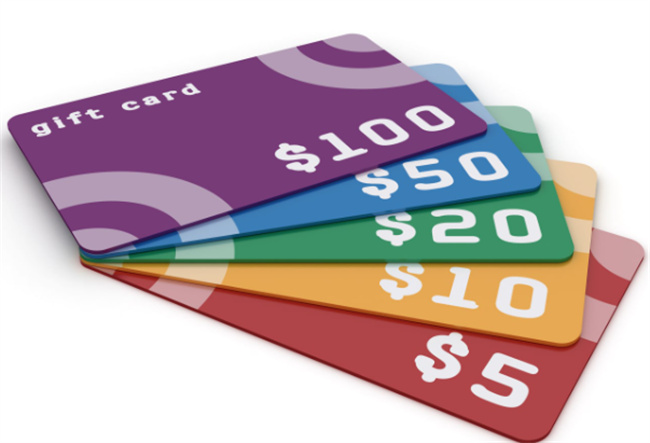
For a seamless transaction involving a 300 Google Play card, technical verification is paramount. The exchange process relies on specific alphanumeric codes that must be entered accurately into the respective platform's interface to unlock the funds. Ensuring that the card is activated and that the balance is sufficient to cover the exchange rate without errors is critical for maintaining the integrity of the transaction. Technical compatibility between the source and destination wallets or services is also a key factor in preventing delays or failed conversions.
Determining the actual exchange rate for a 300 Google Play card involves analyzing multiple factors, including platform fees, currency conversion, and market demand. The perceived value often shifts based on regional economic conditions and the liquidity of the platform being used. Investors or traders must calculate the net profit after subtracting service charges to understand the true yield of converting such a card into fiat or other digital assets.